
March 8, 2017
Interview with Microbiologist Dr. Charles Gerba
Mike Carruthers: In order not to get sick you have to control the spread of germs and step 1 is know where the germs are.
Dr. Charles Gerba: The “germiest” area in terms of fecal bacteria is your kitchen and not your bathroom. Your cutting board in your kitchen has 200 times more fecal bacteria than your toilet seat in the average home.
Environmental microbiologist Dr. Charles Gerba who’s also known as “Dr. Germ” is a spokesperson for Service Experts.
That’s because you’re bringing in raw food products which fecal bacteria occur. You usually destroy them when you cook the food but they get in on your cutting board, they grow on your sponges, dishcloth and your sink. And most people do a pretty good job in the bathroom in cleaning the bathroom.
Frequent disinfecting of sponges, dishcloths and cutting boards is the best way to protect the spread of these germs. And Dr. Gerba says if you use a disinfectant spray there’s a good chance you’re not doing it correctly.
A lot of people just tend to spray and wipe it up right away before it has the chance to kill any germs. The proper way is to spray it and then let it sit for 10 minutes – if you read the label that’s what most of them say.
Which is why disinfectant wipes are more effective.
People just let it dry on the surface and in our studies in homes we found it to be much more effective than sprays of the same type of disinfectant.
Most people get sick when they get germs on their hand and then touch their hand to their face.
And most people bring their fingers to their face more than they realize. In adults it’s about 16 times an hour and in small children it’s 80 times an hour.
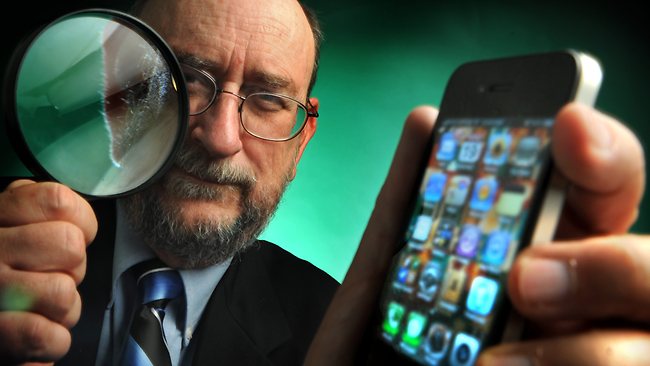
Dr. Charles Gerba
Podcast: Play in new window | Download
Subscribe: RSS