December 6, 2016
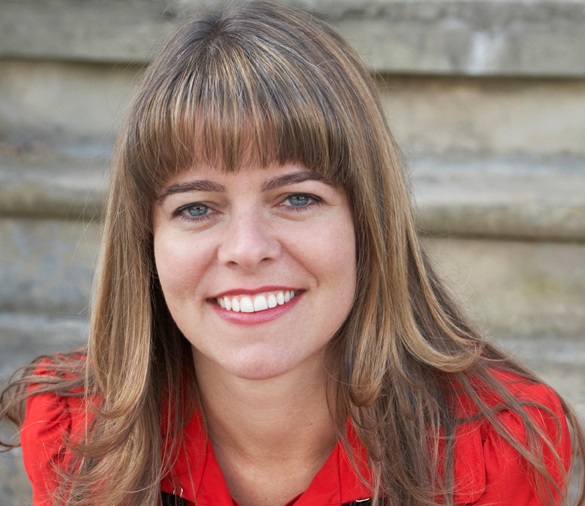
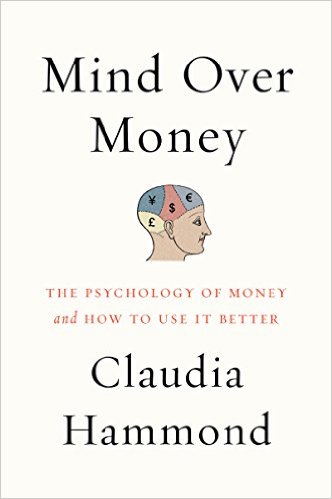
Interview with Claudia Hammond, author of the book Mind Over Money
Mike Carruthers: When you stop and examine it we have a weird way of thinking about money.
Claudia Hammond: In one experiment they gave people a menu for a restaurant called Studio 19 and asked people how much they’d be prepared to pay for a meal there. And then they gave exactly the same menu to another group of people and told them it was called Studio 97. Suddenly people were prepared to pay much more to eat at the restaurant with the higher number in its name.
Claudia Hammond, author of the book Mind Over Money, says these things effect us without us even knowing it.
For example in a study looking at car auctions. If a really expensive car had just been sold then even if the next car was a cheap type of car it would go for more money. So if you had a Rolls Royce and then the next car was a Mini the Mini would go for more money just because there was a Rolls Royce before it.
And marketers try to sell us things based on these principles.
Items in shops and online are often laid out in three’s. If you think about something like laptops – you get a cheap one, then next to it a kind of mid-priced one and then a really sleek and shiny beautiful one.
And the really expensive beautiful one is there to actually get you to choose the middle one.
So in experiments if you only have the cheaper two half the people will choose the very cheapest and half will choose the other one. But the moment you put in the third really expensive item suddenly that sways other people’s opinions and twice as many will go for what is now the middle item when they were never intending to spend that much money.